What Is the Significance of Solder Mask in Rigid Flex PCB Supplier?
Significance of Solder Mask in Rigid Flex PCB Supplier
Rigid flex circuits offer the strength of rigid PCBs and dynamic adaptability of flex boards. These specialized PCBs combine both rigid and flex sections with the copper layers of each section serving as interconnection paths. These complex flex and rigid-flex circuits require special attention to ensure the design is both mechanically and electrically robust and functional. Rigid flex fabricators can help address these issues with proper planning, simulation, and fabrication processes. A solid working relationship between the fabricator and the designer is essential for a successful project.
The solder mask is the layer that protects the copper traces on a printed circuit board (PCB). It is applied as either liquid or dry film. Liquid solder mask is typically green, while dry mask is a variety of colors. Solder mask can be produced in matte, semi-matte, or glossy finishes. In most applications, it makes no difference which finish is used. However, if the PCB has specific appearance requirements or conformal coating is required, the choice of finish can impact manufacturing process reliability.
There are many influencing factors that can affect the hue of the solder mask on a PCB. The type of underlying base material, the amount and type of solder paste used on a trace, the temperature and humidity of the manufacturing process, and other variables can cause the color of the solder mask to vary slightly from production batch to production batch. This is normal and does not constitute a quality defect.
In addition to protecting the copper from corrosion, solder mask serves to prevent oxidation during the assembly process. Oxidation is a major contributor to solder failures and can lead to defects such as shorting, incomplete wetting, poor connections, and other problems. To avoid oxidation, solder mask should be selected that is low in volatile organic compounds (VOCs).
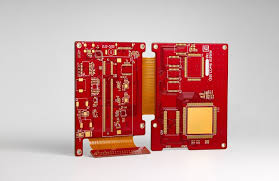
What Is the Significance of Solder Mask in Rigid Flex PCB Supplier?
When designing a rigid-flex circuit, it is important to take into account the mechanical and electrical requirements of both the flexible and rigid sections of the board. This includes determining the correct bend radius, layer stackup, and materials. Choosing a rigid flex pcb supplier early in the design phase can help ensure a complete understanding of these requirements and prevent problems down the line.
Rigid-flex fabricators can apply polyimide coverlay and flexible solder mask to a variety of design requirements. The most common coverlay is an additional layer of Kapton film with adhesive, while the flexible solder mask is a photo imaged liquid. Both materials are capable of meeting the requirements of most designs, although flex circuits may require larger feature openings to accommodate the larger material dimensional tolerances inherent in polyimide flex substrates.
Rigid-flex circuits are often subjected to harsh environments, which can affect performance. These conditions can include moisture, thermal cycling, and corrosive chemicals. In order to meet these challenges, rigid-flex manufacturers must follow strict test and verification processes. These test and verification processes can also be used to determine the durability of a rigid-flex circuit, which is critical in demanding applications such as automotive and aerospace.