What Is Conformal Coating and Why Is It Used During Pcb SMT Assembly?
Coating and Why Is It Used During Pcb SMT Assembly
The popularity of electronic miniaturization and wearable electronics is driving a growing demand for conformal coating, the polymeric film-forming product that protects circuit boards and components from environmental exposure during pcb smt assembly. Conformal coating protects devices from the harsh operating environment, improving dielectric strength and operational integrity while reducing failure rates. The process is applied to the surface of printed circuit boards, protecting critical areas from damage like oxidation and corrosion, moisture, static, and mechanical stress.
Choosing the right conformal coating requires considering a variety of factors like the PCB layout, component type and placement, production volume, and budget. The application method also has an impact on the final results. For example, brushing is a labor-intensive application method best suited to small production quantities. However, it offers excellent resistance to moisture and corrosion while being affordable and practical to apply. Spray application is a popular choice for high production runs, offering greater flexibility in terms of application technique and enabling a more consistent finish.
It is important that the coating adheres to the PCB in order to provide full protection. This can be tested using a cross-hatch test which identifies any pinholes that would allow moisture and contaminants to reach the components and cause problems. The insulating properties of conformal coatings can also be tested. Electrical parameters like Surface Insulation Resistance (SIR) are measured and compared before and after the coating is exposed to various environmental conditions to ensure that it maintains its protective barrier.
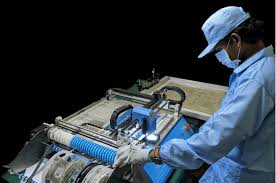
What Is Conformal Coating and Why Is It Used During Pcb SMT Assembly?
There are a number of different conformal coating materials available, each with their own advantages and disadvantages. For example, silicone-based conformal coatings retain elasticity after curing and offer good protection against vibration and mechanical stresses. Silicone also provides resistance against moisture and chemical contamination, making it a suitable choice for a wide range of PCB applications.
The thickness of the conformal coating is another factor that must be considered. A thicker coating may reduce the risk of cracking and bridging but it can also create mechanical stress points by pushing against component legs and wires. A thin coating can be equally problematic as it can cause moisture to penetrate the board and lead to corrosion, while a too-thin coating may not provide enough insulating protection.
Other tests that are sometimes carried out include immersion in salt mist and corrosive gas testing. The latter involves exposing the coated board to an environment that contains hydrogen sulphide and sulphur dioxide (BS EN 60068-2-60, method 1) in order to check for the effectiveness of the conformal coating in protecting the circuit board from this highly corrosive combination. Identify defects using inspection data. Common issues include solder bridges, insufficient solder, component misalignment, and damaged components.
In addition to the testing of conformal coatings, it is also important that the correct equipment is used in order to properly remove them when rework and repair are required. Electrolube offers a wide range of products designed specifically for this purpose. These can be found in the conformal coating removal section of our website along with the TDS instructions for each product.