How PCBs Are Used in Medical Devices
PCBs Are Used in Medical Devices
Medical devices require highly specialized circuit boards that are not only safe for human use, but that also adhere to stringent standards. These include a high degree of signal integrity and optimized power management. In addition, these components must be resistant to liquids, shocks, and temperature extremes. This is why it’s important to find a PCB manufacturer that can handle the production of these critical medical electronics, and one that can also provide detailed Design for Manufacturability (DFM) reports.
The PCBA (printed circuit board assembly) is the final stage of manufacturing an electronic device, and it involves soldering all the component parts to a printed circuit board. This is a time-consuming process that requires a great deal of technical expertise and efficiency. It’s vital to work with a PCBA manufacturer that can deliver reliable, quality products on time and budget.
Before the pcba circuit board is assembled, the copper layer is covered with a protective epoxy resin. This step is called “board stuffing.” Then, the individual surface mount components are placed on the board using machines equipped with computerized vision systems. These machines can identify and pick up tiny parts that are much smaller than a grain of rice. Then, they are soldered down with solder paste.
Once all the surface-mount components have been soldered, the medical PCBA is ready for the next step in the manufacturing process: reflow soldering. This process involves heating the board and components to around 2500 degrees Celsius, which melts the solder paste and strengthens the connections between them. The reflow soldering process can be performed on single- or double-sided medical PCBs, depending on the design.
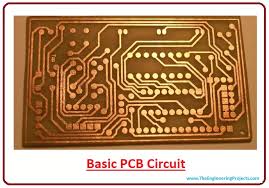
How PCBs Are Used in Medical Devices
If the reflow soldering process has been successful, the medical PCBA can be tested. This includes functional testing, which verifies that the product functions as intended and grades it on a pass/fail basis. It can also be subjected to boundary scan testing, which can verify that the PCBA has all of its necessary connections.
Medical PCBAs are incredibly complex and have to be able to handle an assortment of tasks, from a patient’s heart rate monitor to a portable ultrasound machine. These devices must be able to communicate with each other accurately and quickly, even when they’re in motion. Signal integrity is of particular importance in these applications, as any problems could result in life-threatening conditions. In addition, medical PCBs must be resistant to electromagnetic interference (EMI), as they may come into contact with other electronic devices or power lines.
In addition to the various types of pcba circuit board, there are also different form factors, such as rigid-flex and flexible-flex. These can allow the PCB to take on atypical shapes, which is especially useful for creating wearable gadgets that track vital signs in sports, fitness, and therapeutic applications. Regardless of the type of PCB being used, it’s vital that manufacturers follow strict guidelines and adhere to IPC specifications. These will ensure that the finished product complies with all applicable standards, including IPC-A-600 and IPC-A-6012. This is an industry-wide standard that covers the acceptance and quality of a printed circuit board.