How do you choose a substrate for a PCB prototype?
choose a substrate for a PCB prototype
Choosing a substrate for a PCB prototype is a fundamental step in the design process that directly affects the performance, reliability, and cost of the final product. The substrate is the base material that provides mechanical support and electrical insulation for the traces and components on the PCB. The selection of the right substrate depends on various factors, including the electrical, mechanical, and thermal requirements of the PCB prototype, as well as the application in which the prototype will be used.
The most common type of substrate used in PCB prototypes is fiberglass-reinforced epoxy resin, commonly known as FR4. This material is widely favored because of its excellent balance of electrical properties, mechanical strength, and affordability. However, for more specialized applications, other substrates such as polyimide, ceramic, and even flexible materials may be more appropriate. The choice of substrate must align with the specific needs of the PCB prototype to ensure optimal performance and durability.
One of the primary factors to consider when choosing a substrate for a pcb prototype is the dielectric constant. The dielectric constant of a material indicates how well it can insulate between conductive layers, which is particularly important in high-frequency applications. A substrate with a low dielectric constant is preferred for high-speed or RF circuits, as it ensures that signals travel with minimal loss or distortion. Materials like PTFE (polytetrafluoroethylene) or ceramic-based substrates are commonly used in RF and microwave PCB prototypes due to their low dielectric constant, making them ideal for high-frequency applications.
How do you choose a substrate for a PCB prototype?
Thermal conductivity is another critical consideration when selecting a substrate for a PCB prototype, especially in power electronics or high-heat environments. Substrates with high thermal conductivity help dissipate heat generated by power components, preventing overheating and ensuring reliable operation. Materials like aluminum or ceramic are commonly used in high-power PCB prototypes due to their superior thermal properties. In contrast, FR4, while commonly used, has relatively low thermal conductivity, making it less suitable for high-power applications where heat management is a significant concern.
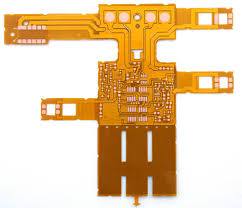
Mechanical strength and rigidity are important factors to consider, especially for PCB prototypes that will be exposed to harsh environmental conditions or mechanical stress. For applications where the PCB prototype will be subject to bending, flexing, or vibration, a flexible substrate like polyimide may be more appropriate. Polyimide substrates are commonly used in flexible PCBs and provide excellent durability and flexibility without compromising the electrical performance of the circuit. On the other hand, for rigid designs, substrates like FR4 or ceramics provide the necessary strength and stability to maintain the integrity of the PCB prototype.
The environment in which the PCB prototype will operate also plays a significant role in substrate selection. Factors such as temperature, humidity, and exposure to chemicals or other environmental stressors can influence the choice of material. For example, PCB prototypes intended for use in high-temperature environments, such as automotive or aerospace applications, may require substrates that can withstand extreme conditions without degrading. Materials like polyimide or ceramics are often selected for their ability to perform in high-temperature environments. Similarly, in environments where exposure to moisture or chemicals is a concern, selecting substrates with high resistance to water absorption and chemical attack is essential to ensure long-term reliability.
Cost is always a factor to consider when choosing a substrate for a PCB prototype. While high-performance materials like ceramic and polyimide offer superior electrical and thermal properties, they can be significantly more expensive than more common substrates like FR4. Engineers must balance the performance requirements of the PCB prototype with the available budget to select the most cost-effective substrate that meets the necessary specifications.