A Step-by-Step Guide to flex rigid pcb manufacturer
Guide to flex rigid pcb manufacturer
Flex rigid PCBs have become indispensable in modern electronics, offering a blend of flexibility and rigidity crucial for various applications, from aerospace to consumer electronics. The manufacturing process for flex rigid PCBs is intricate, requiring precision, expertise, and adherence to stringent standards. Here’s a step-by-step guide to understanding how flex rigid PCBs are manufactured.
The first step in flex rigid pcb manufacturer is design and planning. This phase involves collaborating with clients to understand their specific requirements and application needs. Design engineers use specialized software to create a detailed blueprint of the flex rigid PCB layout, considering factors such as form factor, electrical performance, and environmental conditions.
During the design phase, engineers determine the optimal arrangement of flexible and rigid sections, define routing paths for electrical connections, and incorporate any necessary components or features. Careful planning is essential to ensure that the final design meets the desired performance specifications and complies with industry standards.
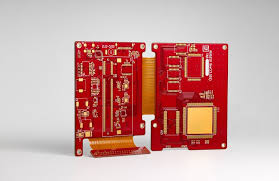
A Step-by-Step Guide to flex rigid pcb manufacturer
Once the design is finalized, the next step is material selection. Flex rigid PCBs require specialized materials that can withstand bending, flexing, and mechanical stress while maintaining electrical integrity. Common materials used in flex rigid PCB manufacturing include flexible substrates such as polyimide and rigid substrates such as FR-4.
Materials undergo thorough testing and inspection to ensure they meet the required specifications for dimensional stability, thermal performance, and electrical properties. Material compatibility and adhesion properties are also carefully evaluated to ensure proper lamination during the fabrication process.
Fabrication is where the design concept starts to take shape. The fabrication process begins with the production of individual flexible and rigid board layers using specialized substrates. Advanced techniques such as laser drilling, mechanical milling, and chemical etching are employed to create vias, traces, and other features with precision and accuracy.
Once the individual layers are fabricated, they are laminated together using heat and pressure to create a single, unified structure. This lamination process is crucial for ensuring the integrity and reliability of the flex rigid PCB.
After fabrication, the flex rigid PCBs move to the assembly phase. Electronic components are placed and soldered onto the PCB surface using automated assembly equipment or manual techniques. Component placement, soldering techniques, and thermal management are carefully monitored to ensure optimal performance and reliability of the assembled PCBs.
Once assembly is complete, the flex rigid PCBs undergo rigorous testing to verify their functionality, reliability, and performance. Various testing methods, including electrical testing, thermal cycling, and environmental testing, are employed to ensure that the PCBs meet or exceed the specified requirements.
Throughout the manufacturing process, strict quality assurance measures are implemented to identify any defects or discrepancies and address them promptly. Quality control personnel conduct thorough inspections at each stage of production to ensure that the flex rigid PCBs meet the highest standards of quality and reliability.
Once the flex rigid PCBs have passed all quality assurance checks and testing procedures, they are finalized and prepared for delivery to the client. Careful packaging and handling procedures are followed to ensure that the PCBs arrive safely and intact at their destination.
In conclusion, flex rigid PCB manufacturing is a multi-step process that requires expertise, precision, and attention to detail. By following this step-by-step guide, manufacturers can produce high-quality flex rigid PCBs that meet the demanding requirements of modern electronics applications.