What are the environmental considerations in Flex pcb supplier?
environmental considerations in Flex pcb supplier
In an era increasingly defined by environmental awareness and sustainability, the electronics industry faces mounting pressure to minimize its ecological footprint. This imperative extends to every stage of the supply chain, including the production of flexible printed circuit boards (PCBs). As vital components in countless electronic devices, flex PCBs play a significant role in modern technology, but their manufacture can have substantial environmental implications. Therefore, flex PCB suppliers must carefully consider and address various environmental factors to minimize adverse effects on the planet.
One of the primary environmental considerations in flex PCB manufacturing is the choice of materials. Traditional PCBs often contain hazardous substances such as lead, mercury, and brominated flame retardants, posing risks to both human health and the environment. In contrast, environmentally friendly alternatives, such as lead-free solder and halogen-free substrates, offer comparable performance without the associated environmental hazards. By opting for eco-friendly materials, flex PCB suppliers can reduce the environmental impact of their products while ensuring compliance with increasingly stringent regulations governing hazardous substances in electronics.
Another critical aspect of environmental responsibility in flex pcb supplier is energy consumption. The production process for flex PCBs involves various stages, including substrate fabrication, circuit patterning, and assembly, all of which require significant amounts of energy. By implementing energy-efficient practices and investing in renewable energy sources such as solar or wind power, flex PCB suppliers can reduce their carbon footprint and contribute to global efforts to combat climate change. Additionally, optimizing production processes to minimize waste and maximize resource efficiency can further enhance environmental sustainability.
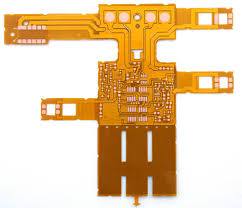
What are the environmental considerations in Flex pcb supplier?
The disposal of electronic waste, or e-waste, is a growing concern worldwide, as obsolete or discarded electronics contribute to pollution and resource depletion. Flex PCB suppliers have a responsibility to address the end-of-life management of their products and ensure proper recycling and disposal practices. Designing PCBs for recyclability and easy disassembly can facilitate the recovery of valuable materials and reduce the amount of waste sent to landfills or incinerators. Furthermore, implementing take-back programs or partnering with e-waste recycling companies can help ensure that end-of-life PCBs are properly handled and recycled in an environmentally responsible manner.
Water usage is another environmental consideration that flex PCB suppliers must take into account. The manufacturing process for flex PCBs typically involves cleaning and rinsing stages that require significant amounts of water. By implementing water-saving measures such as recycling and reusing process water, as well as investing in water-efficient equipment and technologies, suppliers can minimize their water consumption and reduce the strain on local water resources. Additionally, treating wastewater to remove contaminants before discharge can help prevent pollution of waterways and ecosystems.
Transportation is a significant contributor to greenhouse gas emissions, and flex PCB suppliers must consider the environmental impact of shipping materials and finished products. By optimizing logistics routes, consolidating shipments, and using low-emission transportation modes such as rail or sea freight, suppliers can reduce the carbon footprint of their supply chain operations. Additionally, sourcing materials from local or regional suppliers whenever possible can further minimize transportation-related emissions and support local economies.
In conclusion, environmental considerations are paramount in the production of flexible printed circuit boards. Flex PCB suppliers must carefully evaluate and address factors such as material selection, energy consumption, waste management, water usage, and transportation to minimize their environmental impact. By adopting eco-friendly practices and embracing sustainability throughout the supply chain, flex PCB suppliers can contribute to a greener, more sustainable future while meeting the growing demand for environmentally responsible electronics.